
Planning to upgrade your gaming rig? Hold up! Before you hit that “buy” button, there are a few things you should know. In this post, we’re breaking down what to look for in the Best Gaming Laptop and why you definitely shouldn’t buy one without reading this first. Let’s make sure you get the best bang for your buck!
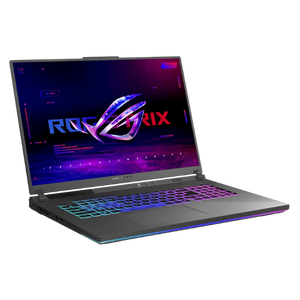
ASU ROG Strix G15 on Amazon "Best for high-performance gaming with top-tier graphics and speed." |
|  |
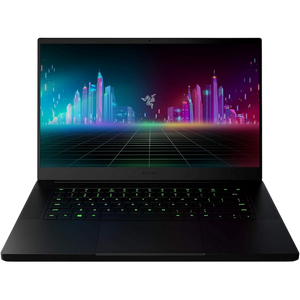
Razer Blade 16 "Best for sleek design and powerful performance in a compact form." |
|  |
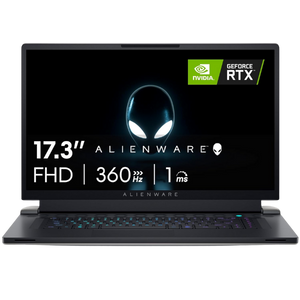
Alienware X17 "Best for immersive gaming experience with stunning display and power." |
|  |
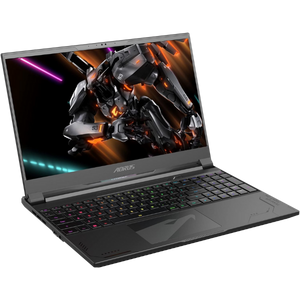
Gigabyte Aorus 15G "Best for ultimate gaming precision with high refresh rates and speed." |
|  |
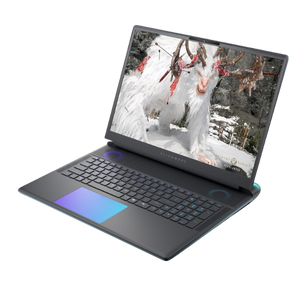
Alienware m18 / Area‑51 18 "Best for extreme gaming performance with unbeatable power and design." |
|  |
1. ASUS ROG Strix Scar 18

Why people prefer this product:
Gamers who demand desktop‑level performance often gravitate to the Strix Scar 18 because of its 18″ display and high‑end internals. It gives large screen real estate combined with serious GPU/CPU power.
Features:
-
18″ display (QHD or similar) with high refresh rate.
-
Top‑tier GPU options (e.g., RTX 50‑series) and powerful CPU like Intel Ultra 9.
-
Robust cooling and upgrade‑friendly chassis (e.g., tool‑less access). YouTube
-
Premium gaming‑oriented design and connectivity.
Additional Features:
-
Large battery (though heavy machine)
-
Extensive port selection (Thunderbolt/USB‑C/HDMI)
- Often, large storage and RAM configurations available
Warranty & Service:
ASUS typically offers a one‑year global warranty for ROG laptops; local service centers vary by region (in Bangladesh you’ll want to verify local authorized repair).
Pros:
-
Exceptional performance for demanding games
-
Immersive large 18″ display
- Premium build and feature‑rich
Cons:
-
Very heavy and bulky (not very portable)
-
Battery life limited
-
Higher cost compared to smaller laptops
2. Razer Blade 16 (2025)

Why people prefer this product:
Gamers and creators who want a sleek design without sacrificing power often prefer the Blade 16. It’s a refined machine that blends gaming with everyday productivity.
Features:
-
16″ display (2560 × 1600 or similar) with high refresh (240 Hz) and OLED option. The Verge
-
Equipped with top‑class GPU (e.g., RTX 5090) and modern CPU (e.g., AMD Ryzen AI 9 HX)
-
Slimmer chassis compared to many gaming laptops; premium aluminum build.
Additional Features:
-
Excellent connectivity (USB‑C/Thunderbolt)
-
Good for both gaming and content creation/productivity
Warranty & Service:
Razer offers a standard 1‑year limited warranty, with the option to upgrade; ensure local service availability in your region.
Other Users’ Opinion:
Reviewers describe the 2025 Blade 16 as “the best gaming laptop … I’ve ever used” thanks to its balance of power and portability. PC Gamer+1 On the flip side, many point out the very high cost and the fact that some thinner design means less thermal headroom.
Pros:
-
Excellent build quality and design
-
Strong performance in both gaming and productivity
-
More portable than many large gaming laptops
Cons:
-
Premium price tag
-
Thermal and fan noise can still be prominent due to the compact size
-
Battery life is still not ideal for unplugged heavy gaming
3. Alienware X17

Why people prefer this product:
For gamers seeking strong performance with good value and a comfortable working/gaming setup, the Legion Pro 7i stands out. It strikes a balance between power and practicality.
Features:
-
Large screen (typically 16″ or 17″ class) with high‑refresh display. PC Gamer
-
High‑end internals suitable for modern AAA titles and streaming.
-
Keyboard and chassis designed for extended sessions (gaming + work).
Additional Features:
-
Often upgradeable components (RAM/SSD)
-
Good thermal solutions in this class
Warranty & Service:
Lenovo covers 1‑year standard warranty; options to extend and local service availability should be checked in Bangladesh.
Other Users’ Opinion:
Reviewers highlight excellent value: delivering high performance without the extreme premium of top‑tier models. Some users note the design is less flashy, but that may suit users wanting something more understated.
Pros:
-
Strong performance at better value
-
Comfortable keyboard and practical design
-
Good for both gaming and general productivity
Cons:
-
A bit heavier than ultra‑thin models
-
Less distinctive/gamer‑flashy style
-
May not hit the absolute top‑end performance of the most premium models
4. Gigabyte Aorus 15G

Why people prefer this product:
When performance is the main priority and portability is less of a concern, the Raider series appeals. Gamers wanting “desktop‑replacement” power favour it.
Features:
-
15.6″ 16:9 Thin Bezel QHD 2560×1440, 165Hz, 100% sRGB, TÜV Rheinland-certified
-
Very high‑end GPU/CPU combinations (e.g., Intel Ultra 9 285HX + RTX 5080/5090) Laptop Mag+1
-
Advanced cooling, many I/O ports, rich feature set for gaming and content creation.
Additional Features:
-
Great for multitasking + streaming + high‑end gaming
-
Often premium keyboards, RGB lighting, and extras
Warranty & Service:
MSI offers 1‑year standard warranty; many premium models have higher service status but still check service availability locally.
Other Users’ Opinion:
Reviews call it “desktop‑replacement class” with outstanding specs. But tyre reviewers also warn: heavy, high power draw, limited battery life (some as low as 2–3 hours unplugged). Laptop Mag
Pros:
-
Top‑tier performance for ultra settings and high FPS
-
Large immersive display and full feature set
-
Very suitable for both gaming and content creation
Cons:
-
Heavy, large and less mobile
-
High power consumption and fan / heat output
-
Expensive — beyond what casual gamers may need
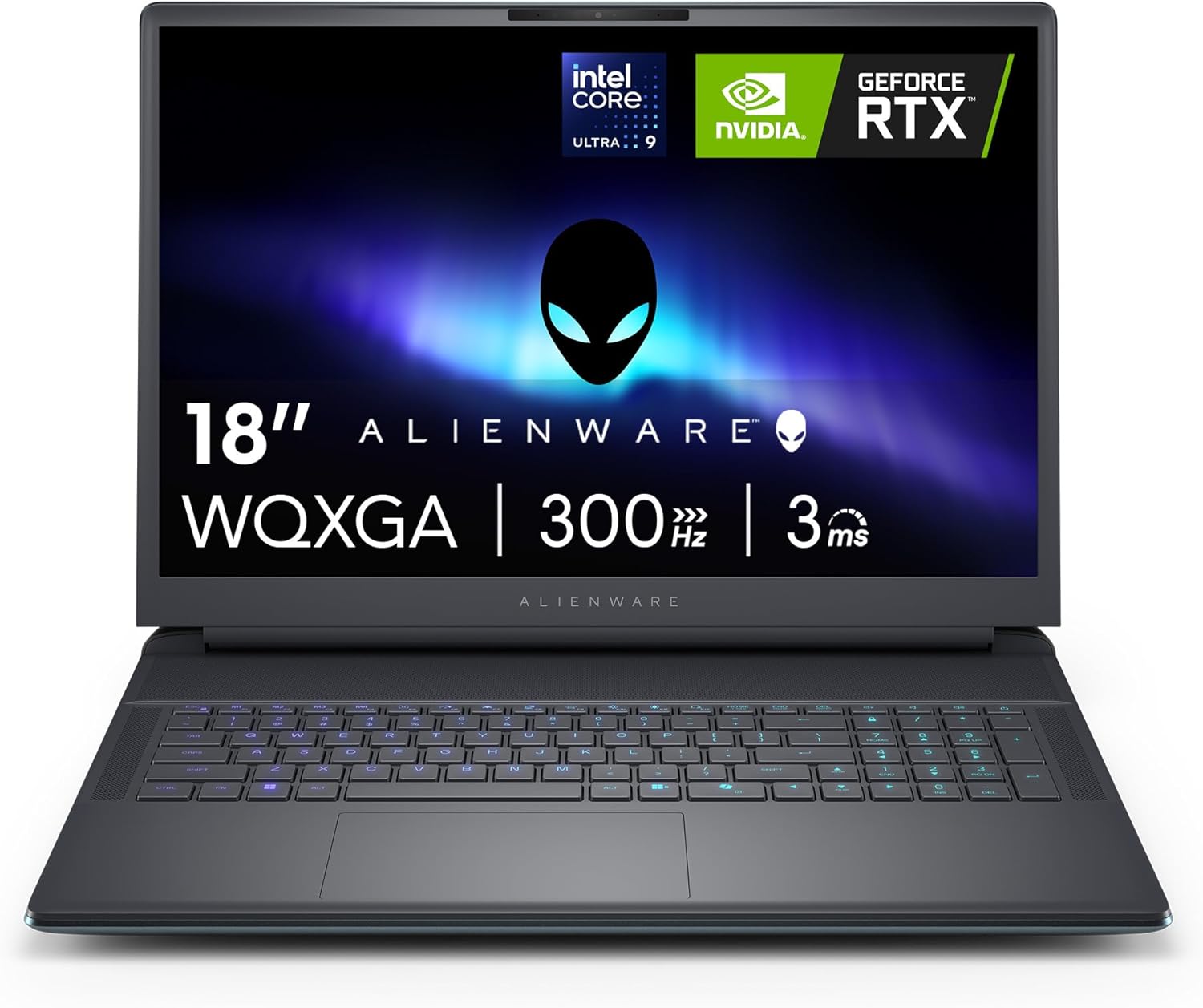
5. Alienware m18 / Area‑51 18
Why people prefer this product:
This model is designed for gamers who want size, style and power. The m18/Area‑51 18 offers massive display and bold design, making it ideal for immersive setups.
Features:
-
18″ display class – big screen for immersion or multitasking. PC Gamer+1
-
High‑performance hardware, good upgradeability (especially Area‑51 variant) PC Gamer
-
Distinctive Alienware design aesthetic — strong brand presence.
Additional Features:
-
Often includes extensive I/O ports, extra storage expansion, premium audio, strong build.
Warranty & Service:
Being a Dell‑brand (Alienware) gives access to broad service network; standard 1‑year warranty, with options to upgrade to premium support.
Other Users’ Opinion:
Users appreciate the screen size and build quality. However, many comment on the weight, cost and moderate thermal/battery compromises compared to lighter models. PC Gamer
Pros:
-
Massive display for immersive gaming or multitasking
-
Strong performance + premium brand build
-
Stand‑out design for those who want aesthetics and power
Cons:
-
Very heavy, large – not ideal for travel
-
Battery life and mobility are weaker
-
High cost; may be more machine than needed for some
Key Features to Look For in the Best Gaming Laptop
1. Processor (CPU)
The processor is the heart of any gaming laptop, responsible for executing all the commands. For optimal performance, aim for at least an Intel Core i7 or an AMD Ryzen 7. These processors offer excellent multi-core performance, ensuring that your laptop can handle both gaming and multitasking without hiccups. Higher-end models, such as Intel Core i9 or Ryzen 9, are perfect for enthusiasts looking for the best performance in resource-heavy games.
2. Graphics Card (GPU)
The graphics card is the most critical component when it comes to gaming. It’s responsible for rendering high-quality visuals and running games at high frame rates. A dedicated GPU, such as the NVIDIA GeForce RTX series or the AMD Radeon series, is a must for seamless gaming experiences. Look for GPUs with at least 6GB of VRAM for mid-range gaming and 8GB or more for the highest settings and resolutions. A powerful GPU will ensure that games run smoothly with high settings and prevent lag during gameplay.
3. RAM
For gaming laptops, 16GB of RAM is the sweet spot, allowing for smooth performance during intense gaming sessions and multitasking. While 8GB may suffice for casual gaming, 16GB ensures that you can handle modern titles, streaming, and other tasks without slowing down. Some high-end gaming laptops even support up to 32GB, which can be useful if you plan to use the laptop for content creation or other memory-intensive tasks like video editing.
4. Storage
When it comes to storage, SSD (Solid State Drives) are the clear choice. Unlike traditional hard drives (HDDs), SSDs offer faster load times, reducing the time it takes for your games to launch and run. A 512GB or 1TB SSD is ideal, as it offers ample space for multiple AAA games while ensuring quick load speeds. Some laptops may come with a combination of SSD and HDD, which is an excellent option if you need large storage for files, but always prioritize an SSD for your games and operating system.
5. Display
A high-quality display is essential for the immersive gaming experience. Look for at least a 1080p (Full HD) resolution—though 1440p or 4K displays are becoming more common on premium models. Additionally, the refresh rate is crucial for smooth gameplay, especially in fast-paced games. A refresh rate of 120Hz or 144Hz ensures that your screen updates quickly to match the high frame rates delivered by your GPU. For competitive gaming, even higher refresh rates of 240Hz or 300Hz provide a smoother experience, reducing motion blur and giving you an edge.
6. Battery Life
Gaming laptops are notorious for their short battery life, especially under load, as powerful components consume a lot of energy. However, it’s still worth looking for a model that offers at least 5 to 6 hours of battery life during light usage, such as web browsing or watching videos. If you intend to game while unplugged, keep in mind that you may need to plug in to get the best performance during intense gaming sessions. Some laptops also have features like fast charging to minimize downtime.
7. Cooling System
A robust cooling system is essential in gaming laptops to prevent overheating, which can lead to throttling and decreased performance. Look for laptops with advanced cooling technology, such as dual fans and heat pipes, which work together to disperse heat efficiently. An effective cooling system ensures that the laptop can maintain high performance for longer periods without overheating, especially during marathon gaming sessions.
8. Build Quality and Design
Gaming laptops are built for performance, but they don’t have to compromise on design. Look for a laptop with a sturdy build that can handle the rigors of travel and gaming on the go. Premium materials like aluminum or magnesium alloy provide durability and a sleek, professional look. While aesthetics may not directly impact performance, a well-designed gaming laptop often features customizable RGB lighting, adjustable keyboard feedback, and ergonomically placed ports for enhanced comfort.
Frequently Asked Questions (FAQ)
How Is A Gaming Laptop Different From A Regular Laptop?
Gaming laptops have more powerful CPUs, dedicated GPUs, higher refresh rate screens, better cooling systems, and usually more RAM and storage than regular laptops meant for emails or browsing.
Do Gaming Laptops Get Hot?
Yes. Because they run heavy graphics and games, gaming laptops can heat up. Good airflow and cooling technology help, and using a cooling pad can make a noticeable difference.
Can A Gaming Laptop Run Everyday Programs?
Yes. Gaming laptops are powerful machines, so they’re great for regular tasks like browsing, video streaming, or office work in addition to playing games.
How Much RAM Does A Gaming Laptop Need?
Most gaming laptops should have at least 16GB of RAM for smooth performance. 8GB might work for lighter games, but it’s often not enough for modern titles.
Can I Upgrade A Gaming Laptop?
You can usually upgrade the RAM and storage (SSD/HDD), but you can’t change the CPU or GPU in most gaming laptops. It depends on the specific model.
How Long Does A Gaming Laptop Last?
Typical lifespan is about 3 to 5 years before performance starts to lag behind new games. Proper care and occasional upgrades help extend that.
Do Gaming Laptops Have Better Screens?
A lot of them do. Many gaming laptops offer high refresh rates (120Hz, 144Hz, etc.) and faster response times, which help games look smoother.
Is Battery Life Good On A Gaming Laptop?
Not really. Gaming laptops are powerful, and that eats battery fast. Most gamers play plugged into power for the best performance.
Are Gaming Laptops Worth It?
If you want to play modern games without building a desktop, or you need performance on the go, a gaming laptop makes sense. If you don’t need portability, desktops usually give more power for less money.
Each of these five laptops stands out in its category. If portability and sleek design matter, the Razer Blade 16 is hard to beat. If sheer size and immersive screen matter, then ASUS Strix Scar 18 or Alienware m18 shine. For value and practicality, Lenovo Legion Pro 7i is a strong choice. If you want the absolute top‑end specs and don’t mind weight and cost, the MSI Raider offers unmatched horsepower. Your choice should reflect how you game (on the go vs at‑desk), what your budget is, how much portability you require, and which features (screen size, refresh rate, aesthetics) matter most.