Dealing with fleas and ticks on a dog is nobody’s idea of fun — for you or your pup. Flea collars promise a simpler way: strap one on, and let it protect your dog for months. But not all collars are created equal. With dozens of options out there, from cheap latex bands to advanced medicated collars, it’s easy to feel overwhelmed.
I dug into recent reviews, vet guidance, and product specs to help you figure out which flea collars are worth your time — and which aren’t.
Top 5 Flea Collars for Dogs
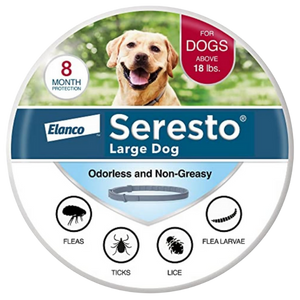
Seresto Flea & Tick Collar for Dogs "Best overall for long-lasting flea and tick protection." |
|  |
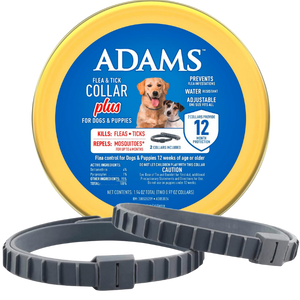
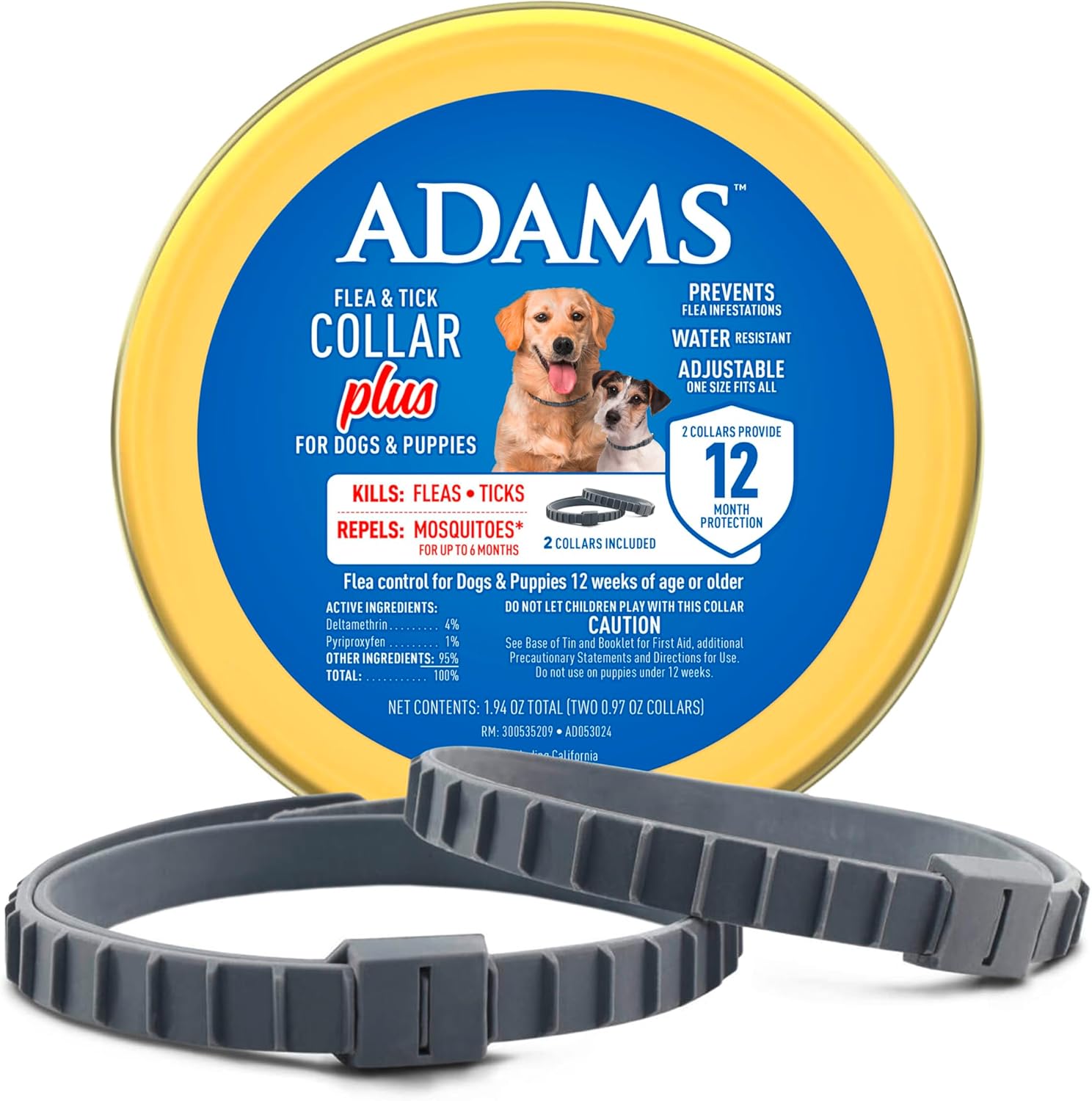
ADAMS Flea & Tick Control Collar "Best value for effective flea and tick control." |
|  |
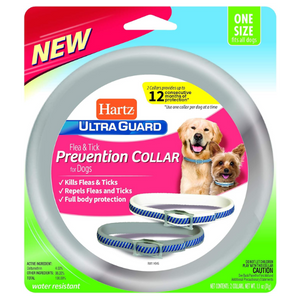
Hartz UltraGuard Plus Flea & Tick Collar "Best for fast-acting, long-lasting flea and tick defense." |
|  |
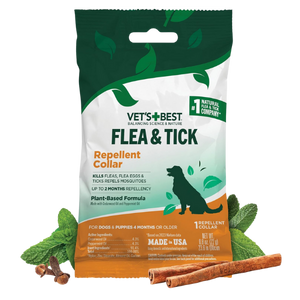
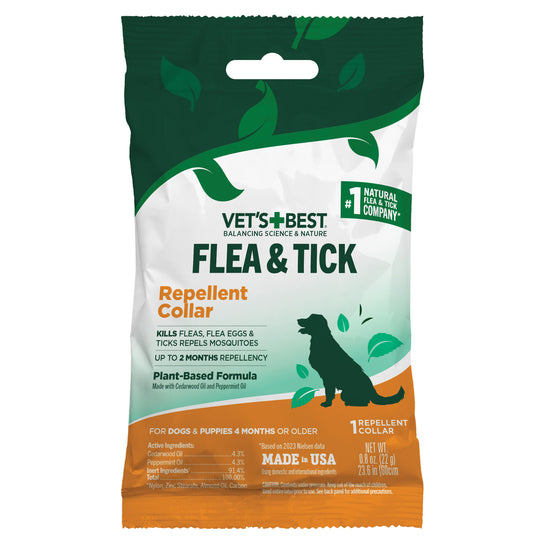
Vet’s Best Flea & Tick Repellent Collar for Dogs "Best natural option for safe and effective flea and tick repellent." |
|  |
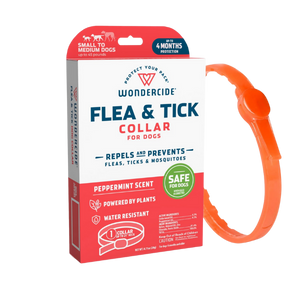
Wondercide Flea & Tick Collar for Dogs "Best eco-friendly solution for chemical-free pest control." |
|  |
-
Seresto Flea & Tick Collar for Dogs — widely regarded as the gold standard: long‑lasting (months), effective against fleas, ticks, sometimes lice and flea eggs/larvae, and convenient.

-
ADAMS Flea & Tick Control Collar for Dogs — a popular, budget‑conscious full‑spectrum option covering fleas, ticks, flea eggs and larvae with up to ~7 months protection.
-
Hartz UltraGuard Plus Flea & Tick Collar for Dogs and Puppies — often chosen by pet‑owners looking for an easy, low‑cost solution that repels and kills fleas/ticks (includes eggs/larvae) and works for many breeds.

-
Vet’s Best Flea & Tick Repellent Collar for Dogs — for owners preferring a natural/chemical‑free alternative. Uses plant‑based ingredients (like cedarwood/peppermint oils) which may be gentler for sensitive pets, though possibly less potent in heavy‑infestation zones.
-
Wondercide Flea & Tick Collar for Dogs — another “natural” collar, water‑resistant and better for dogs whose owners want minimal chemicals. Good for mild flea/tick risk areas or as a supplementary preventive layer.

How I’d Recommend You Choose (Yes, I double‑checked)
-
If you want strong, long‑lasting protection and don’t mind traditional active ingredients → go for Seresto or Adams.
-
On a tight budget but still want broad coverage → Hartz UltraGuard Plus does the job.
-
Prefer natural/chemical‑free solutions (maybe you worry about skin sensitivity or allergies) → consider Vet’s Best or Wondercide (though they may be less powerful against heavy infestations).
-
If your dog swims often, or you live somewhere humid → pick a water‑resistant / natural collar rather than ones with chemical treatments (since water can reduce effectiveness).
How Flea Collars Work
Modern flea collars deliver insecticidal or repellent agents through sustained release. The collar holds active chemicals (or natural repellent substances) that migrate through a dog’s skin oils and coat, forming a protective “shield” around the pet. PetMD+2Paws Playgrounds
That means fleas or ticks don’t necessarily have to bite for the collar to act. Some collars kill on contact; others repel or kill once pests latch on.
Advantages include long‑lasting effect (many collars offer several months of protection), convenience (no messy monthly drops), and cost‑efficiency over time. hppsevenbird.com+2PetMD
But there are trade‑offs: some dogs may react to active ingredients, water exposure can degrade effectiveness depending on the collar, and no collar is 100% perfect under heavy flea pressure. MedicAnimal+2Chewy
Why People Prefer These Products
-
Flea collars are low-maintenance — you put them on and forget them for months.
-
They often combine flea and tick protection, sometimes even against multiple life stages (eggs, larvae, adults). Dogster+2My Pet and I
-
Compared to monthly treatments (topical or oral), collars reduce the risk of missing a dose.
-
Many are water-resistant, odorless, and mess-free — better for dogs that dislike baths or skin applications. The Pet Vet+2My Pet and I
Features (What to Look For)
When picking a flea collar, keep an eye on these:
-
Duration of protection — Some collars last 6–8 months; others may need replacement sooner.
-
Active ingredients — Many collars use proven insecticides like imidacloprid and flumethrin.
-
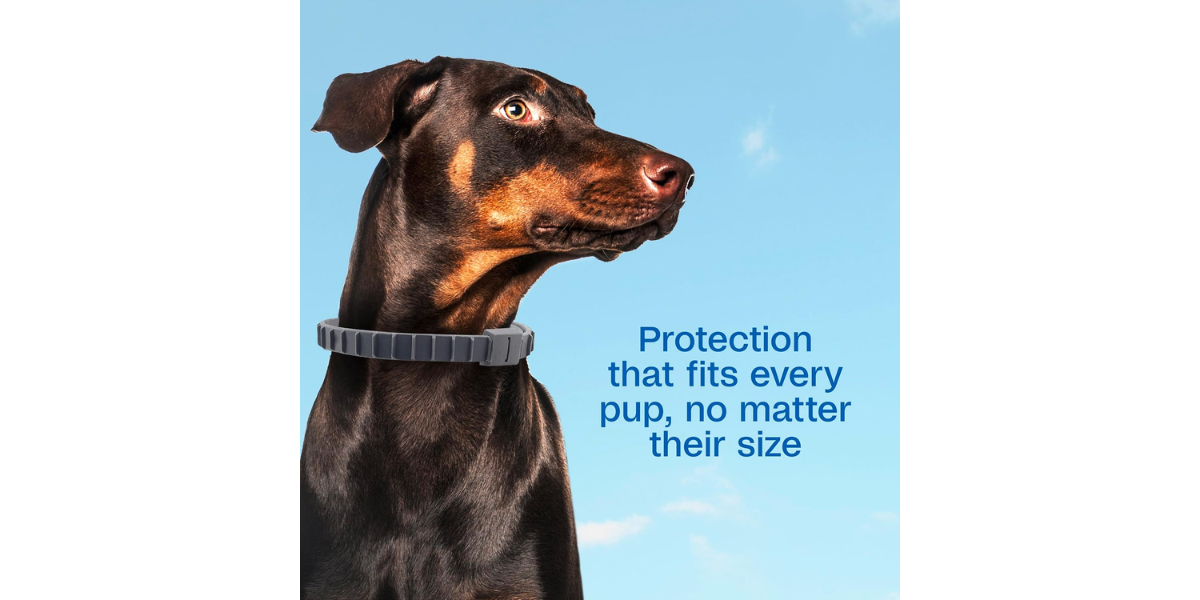
Suitability by dog’s age/size — Puppies or small breeds may need a milder formula or shorter collar. Dogster
-
Water resistance & odor — Helpful if your pup swims or gets bathed often; also keeps home environment more pleasant.
-
Ease of use — Simple to put on/off, adjustable fit, and no special prep or drying time needed. hppsevenbird.com
 Additional Features (Nice‑to‑Have)
-
Broad‑spectrum action: Against fleas, ticks, flea eggs/larvae, and sometimes lice.
-
Reflective or safety elements: Some collars come with reflective strips for visibility during night walks (useful if you live in a busy or low‑light area).
-
Natural or milder formula options: For those worried about chemicals, there are collars using essential oils or more natural repellents, though trade-offs in effectiveness.
Warranty & Service
Most flea collars don’t have a traditional “warranty” because they’re consumable items — once they wear out, you replace them. Because effectiveness depends on chemical activity, long-term guarantees don’t make sense.
Best practice: check packaging and usage instructions carefully. Make sure you buy from reputable retailers to avoid counterfeit or expired products. Consider consulting a vet, especially for puppies or dogs with skin sensitivities.
Other Users’ Opinions
-
Some dog owners praise medicated collars (like those with imidacloprid + flumethrin) for being “just as effective as monthly treatments,” but without the mess.
-
Budget collars are often described as “good enough” for light flea environments — but slightly less reliable if infestation pressure is high.
-
A recurring caution: “If your dog swims a lot or gets bathed often, check whether the collar is truly waterproof.”
-
A few users report mild skin irritation or allergic reactions, especially with stronger insecticide‑based collars. Dogster
Flea collars remain among the most convenient long‑term solutions for protecting dogs against fleas and ticks. They’re especially useful if you prefer a “set it and forget it” approach rather than monthly dosing. That said, no collar is perfect, and you should choose carefully — based on your dog’s size, age, lifestyle (swimming, outdoor activity), and any skin sensitivities.