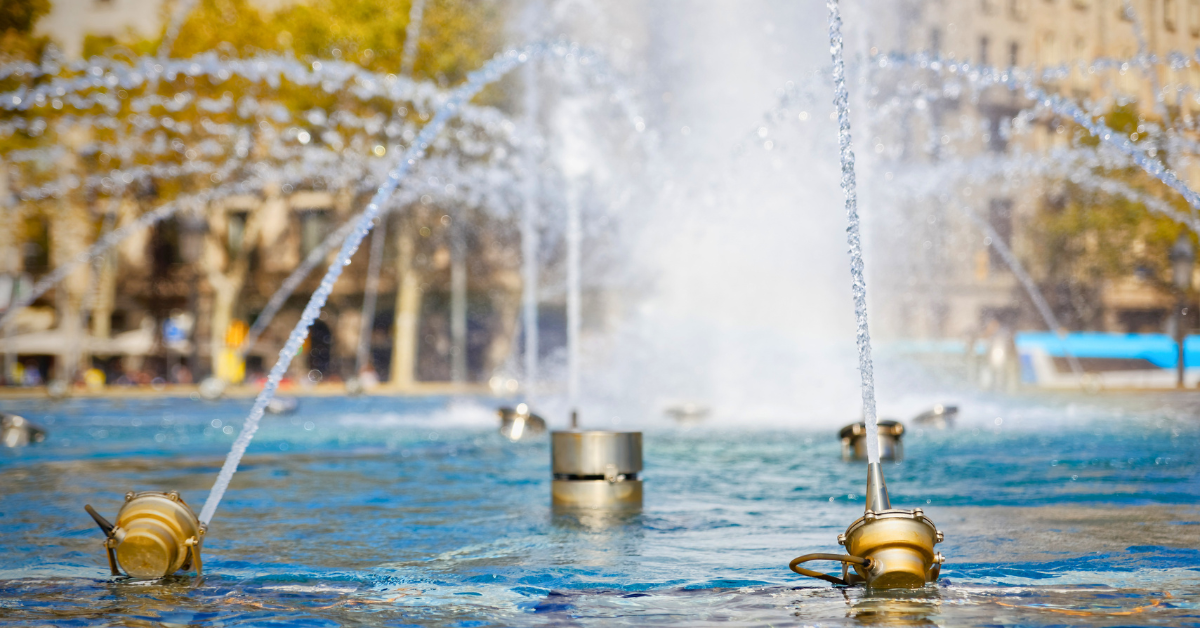
Choosing a fountain nozzle looks easy until you discover that a small piece of brass or stainless steel can completely change how water moves, sounds, splashes, and catches the light. One nozzle creates a tall, clean jet. Another turns the same water supply into a foamy white column, a smooth bell, or dozens of smaller streams.
That is why the best water fountain nozzle types should not be judged by appearance alone. The right choice depends on your fountain size, pump performance, wind exposure, desired sound, and how much maintenance you are willing to handle.
A nozzle controls the direction and shape of moving water, while pump flow, pressure, water depth, and environmental conditions influence how the final pattern performs in real use.
This guide compares popular water fountain nozzle types and helps you choose one based on the effect you actually want.
What Does a Water Fountain Nozzle Actually Do?
A fountain nozzle shapes the water leaving the fountain system. Depending on its design, it can create narrow vertical streams, wide sheets, frothy columns, fine sprays, or more complex arrangements of multiple jets.
Professional fountain manufacturers offer everything from adjustable and vertical jets to spray-cloud systems because different nozzle geometries create substantially different water forms.
In practical terms, the nozzle affects:
- Spray height
- Water spread
- Direction
- Pattern shape
- Water movement
- Splash
- Perceived sound
- Interaction with fountain lighting
Why Pump Flow and Pressure Matter
Buying an impressive nozzle does not magically turn a small pump into the Bellagio. Tragic, I know.
A nozzle requires suitable water flow and pressure to produce its intended effect. A weak pump may create a shorter or poorly formed pattern, while changing flow can affect the height and width of the display. Poposoap specifically notes that upright jet height can fall when pump power is insufficient and recommends matching nozzle requirements to pump flow.
Always compare the nozzle specifications with your pump before buying.
Water-Level-Dependent vs. Water-Level-Independent Nozzles
This difference is easy to overlook.
A water-level-dependent nozzle can change its display when the surrounding water level changes. OASE’s professional nozzle catalog explains that water height can directly affect the height and spread of a level-dependent nozzle display.
A water-level-independent nozzle is generally less influenced by changes in basin water level, assuming the rest of the fountain system remains properly configured.
For outdoor fountains with changing water levels, this distinction deserves attention before installation.
Quick Comparison of the Best Water Fountain Nozzle Types
Fountain Nozzle Type | Water Effect | Best For | Splash Level | Maintenance |
Jet nozzle | Tall, narrow stream | Dramatic fountains | Medium to high | Low |
Foam nozzle | Thick, frothy column | Bold focal points | Medium | Medium |
Bell or mushroom | Smooth rounded sheet | Calm garden fountains | Low | Low to medium |
Cascade nozzle | Dense energetic column | Public and landscape fountains | Medium | Medium |
Fan nozzle | Wide sheet or fan | Architectural features | Medium | Medium |
Multi-jet nozzle | Multiple streams | Decorative displays | Medium to high | Medium to high |
Laminar nozzle | Clear, glass-like arc | Modern fountains | Low to medium | Higher |
Mist nozzle | Fine atmospheric spray | Artistic effects | Variable | Higher |
**Actual splash and maintenance requirements vary by nozzle design, pressure, installation, and environmental conditions. Fountain selection guides consistently warn that real-world results depend on flow and site conditions rather than nozzle appearance alone.
1. Jet Nozzles: Best for Tall and Dramatic Water Displays
Jet nozzles are among the most recognizable types of water fountain nozzles. They produce a focused stream that travels vertically or at a selected angle.
The effect is simple, clean, and highly visible. Symphony Fountains describes jet nozzles as suitable for tall, narrow streams and dramatic displays, while Lumiartecnia manufactures vertical and adjustable jet ranges for clear water patterns.
Where Jet Fountain Nozzles Work Best
Jet nozzles are a strong option for:
- Formal fountains
- Commercial entrances
- Large ponds
- Public plazas
- Symmetrical fountain designs
A single jet can create a central focal point. Multiple jets can be arranged in rows, circles, or arches.
Possible Problems with Wind and Splash
Tall, narrow sprays can be more easily deflected in exposed areas. Poposoap recommends considering broader, lower patterns where wind is an issue.
For a fountain close to a walkway, seating area, or building entrance, an unnecessarily high jet may turn visitors into unwilling participants.
2. Foam Nozzles: Best for Bold, White Water Effects
Foam nozzles create a bubbly or frothy water pattern rather than a completely clear stream. The result looks dense, bright, and energetic.
Symphony Fountains lists foam nozzles among common decorative options for producing bubbly visual effects.
Why Aerated Water Looks More Visible
The foamy appearance helps the water form stand out visually, especially compared with a thin clear jet. This makes foam effects useful when you want a noticeable water column without relying entirely on extreme height.
Best Uses for Foam Fountain Nozzles
Consider a foam nozzle for:
- Landscape fountains
- Shopping centers
- Hotel entrances
- Medium or large ponds
- Strong central water features
Foam effects also pair well with lighting because the textured water creates a visually dense display.
3. Bell and Mushroom Nozzles: Best for Calm, Elegant Fountains
Bell and mushroom-style nozzles spread water outward into a smooth, rounded sheet. Depending on the nozzle and setup, the effect may resemble a dome, umbrella, or glass bell.
Poposoap describes bell and dome nozzles as producing smooth outward-moving sheets suited to decorative and formal pond layouts.
Best for Small Gardens and Formal Landscapes
These nozzles are ideal when you want a fountain to feel peaceful rather than theatrical.
They suit:
- Courtyards
- Small garden ponds
- Hotel gardens
- Meditation spaces
- Formal landscaping
The rounded pattern also works nicely as a central feature in a circular basin.
Why Consistent Flow Matters
Uneven water delivery can disturb the smooth shape of a bell or dome pattern. A stable water supply is important for maintaining a balanced sheet.
4. Cascade Nozzles: Best for Thick, Energetic Water Columns
Cascade nozzles create a strong, textured water column. Instead of a thin clear stream, the water looks heavier and more active.
They are often selected when a designer wants a powerful vertical effect with substantial visual presence.
Understanding Water-Level Sensitivity
Some cascade nozzle designs are water-level dependent. OASE’s professional catalog notes that changes in water level can affect the height and spread of this type of display.
This means basin design and water-level control may matter more than beginners expect.
Best Locations for Cascade Effects
Cascade nozzles are suitable for:
- Landscape fountains
- Public spaces
- Hotel entrances
- Commercial developments
- Large decorative basins
They are particularly useful when a thin vertical jet would feel visually lost in a large space.
5. Fan Nozzles: Best for Wide Decorative Water Screens
A fan nozzle spreads water outward instead of concentrating it into one vertical stream. The pattern can resemble a fan or a broad sheet.
Spray-nozzle manufacturers offer large varieties of spray and water-cloud designs specifically to create broader forms rather than simple vertical jets.
Using Fan Sprays Near Architectural Features
Fan nozzles can complement:
- Decorative walls
- Modern buildings
- Fountain edges
- Linear water features
- Layered fountain arrangements
Their broad shape makes them useful when horizontal visual coverage matters more than height.
Before installation, consider the direction of the spray and nearby walking areas.
6. Multi-Jet and Tiered Nozzles: Best for Detailed Spray Patterns
Multi-jet nozzles split water into several separate streams. Tiered designs may arrange those streams at different heights or angles.
According to Poposoap, multi-spray and tiered heads create dynamic patterns without always requiring extreme spray height.
They work well in:
- Family gardens
- Decorative ponds
- Circular fountains
- Traditional landscapes
- Large ornamental water features
Maintenance and Nozzle Cleaning
The disadvantage is simple: more openings mean more places for debris to become annoying.
Poposoap notes that simple jets tend to be easier to maintain, while multi-spray designs may require more frequent rinsing.
If your fountain is near trees or receives a lot of debris, filtration and regular nozzle inspection become more important.
7. Laminar Nozzles: Best for Modern, Glass-Like Water Arcs
Laminar fountain effects create smooth, highly controlled streams that can resemble clear glass rods or transparent tubes.
The visual appeal comes from the organized water stream rather than a broken, turbulent spray. Professional nozzle ranges include specialized water forms because precise nozzle engineering can produce very different water shapes and movement.
Best for Lighting and Contemporary Fountain Designs
Laminar water effects suit:
- Luxury gardens
- Modern homes
- Hotels
- Museums
- Architectural fountains
- Illuminated water features
They are particularly striking when combined with carefully designed lighting.
However, a quality laminar effect is more technically demanding than attaching a basic spray head to a small pond pump and hoping optimism handles the hydraulics.
8. Mist and Spray Nozzles: Best for Soft Atmospheric Effects
Mist and fine-spray nozzles break water into small droplets, creating a softer water cloud.
Lumiartecnia’s nozzle catalog includes systems ranging from fine micronization effects to larger spray clouds.
These nozzles work well for artistic displays and modern landscape designs.
Wind and Water Loss Considerations
Fine spray is more exposed to environmental conditions than a dense water column. Wind should therefore be considered carefully when planning the location and spray direction.
For an open, windy garden, a lower and more controlled water pattern may be more practical. Poposoap similarly highlights wind exposure as an important nozzle-selection factor.
How to Choose the Best Fountain Nozzle for Your Space
Consider Fountain Size
Match the visual scale of the nozzle to the basin.
A small garden pond may look better with a bubbler, bell, or compact spray. Medium fountains can support upright jets and tiered patterns, while larger ponds and commercial basins can accommodate taller or wider displays.
Check Pump Flow and Pressure
Review the required flow and pressure for the exact nozzle model.
Do not assume that matching the thread size means the pump is suitable. Plumbing has already caused enough human disappointment.
Think About Wind
For exposed spaces, avoid choosing an excessively tall spray merely because it looks impressive in a perfectly calm promotional photo.
Site exposure directly affects how the water behaves.
Decide How Much Splash You Can Accept
A dramatic water feature beside a building entrance has different requirements from a fountain in the middle of a large pond.
Consider nearby:
- Windows
- Seating
- Walkways
- Electrical equipment
- Plants
- Walls
Consider Sound
Nozzle choice can influence the sensory character of a fountain. Symphony Fountains specifically identifies water acoustics as part of the fountain experience, while Poposoap recommends thinking about fountain sound in relation to nearby seating and living areas.
Choose a gentle effect for quiet courtyards. Use stronger water movement when you want a more noticeable fountain sound.
Be Honest About Maintenance
A detailed multi-jet nozzle may look wonderful. It may also demand more cleaning than a simple jet.
Choose a design that matches your actual maintenance habits, not the suspiciously productive version of yourself who appears whenever you shop online.
Best Fountain Nozzle Types by Use
Application | Recommended Nozzle Type |
Small garden fountain | Bell, mushroom, or compact spray |
Pond fountain | Jet, multi-spray, or foam |
Quiet courtyard | Bell or mushroom |
Commercial entrance | Foam, cascade, or vertical jet |
Modern architectural feature | Laminar or fan |
Lighted fountain | Foam, laminar, or multi-jet |
Large decorative basin | Cascade, jet, or tiered nozzle |
**These recommendations are starting points. Final selection should still account for pump specifications, water level, basin dimensions, and environmental exposure.
Common Fountain Nozzle Buying Mistakes
Choosing by Photos Alone
Product photos show the desired effect, but real results depend on flow, pressure, depth, and environmental conditions.
Ignoring Pump Specifications
A nozzle and pump must work as a system. Check the manufacturer’s performance requirements before buying.
Using Tall Sprays in Windy Spaces
High sprays may drift in exposed locations. Consider a lower or broader pattern where splash control is important.
Forgetting Nozzle Cleaning
Fine openings and multi-jet patterns may require more frequent maintenance. Filtration can also help reduce debris reaching fountain heads.
Ignoring Water Level
Some fountain nozzle designs are specifically water-level dependent. Changes in the basin level may alter the water pattern.
Choosing the Right Water Effect
There is no single best fountain nozzle for every project. Jet nozzles are excellent for height and drama. Foam and cascade nozzles create strong, visible water columns. Bell and mushroom designs produce calmer patterns, while fan, multi-jet, mist, and laminar nozzles give designers more distinctive visual options.
The smartest way to compare the best water fountain nozzle types is to start with your space rather than a product photo. Consider the fountain size, available pump flow, wind exposure, acceptable splash, desired sound, and maintenance needs.
For further technical comparison, the OASE Professional Fountain Nozzle Catalog provides nozzle performance information, while Lumiartecnia’s fountain nozzle catalogue shows a broader range of specialist water shapes. The Poposoap nozzle selection guide is also useful for understanding how pond size, pump flow, wind, and cleaning affect everyday nozzle selection.