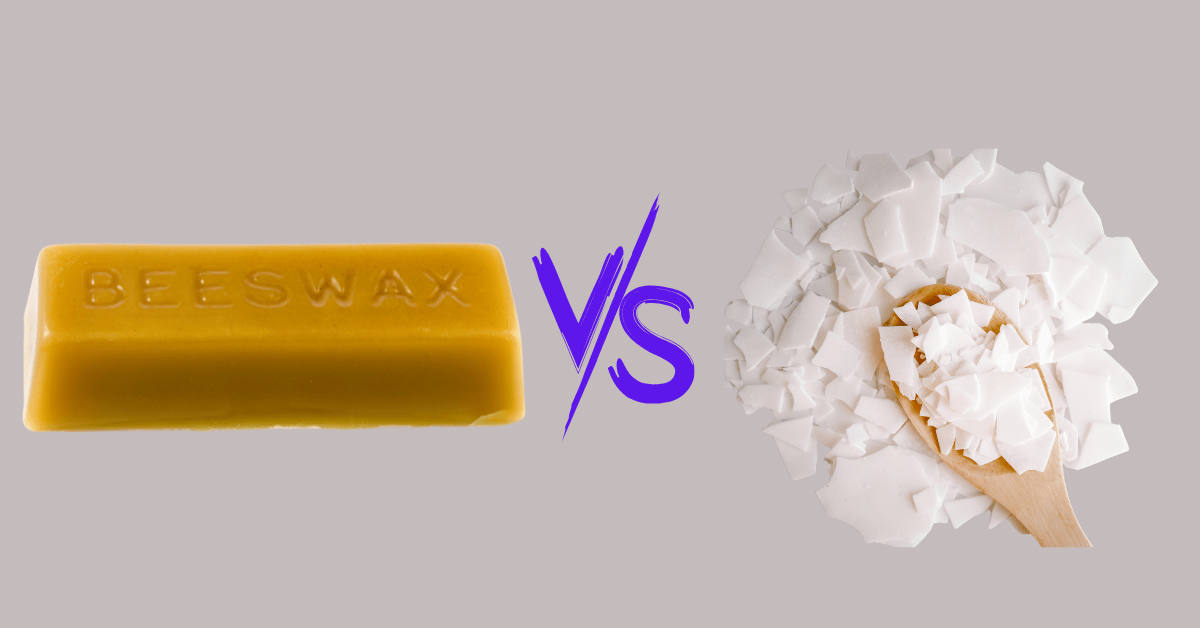
Choosing the best wax for candle making: soy vs beeswax can feel surprisingly complicated. Both are popular alternatives to petroleum-based waxes, both can create beautiful candles, and both have loyal candle makers willing to defend their favorite wax as though the argument involves national borders.
The truth is simpler: soy wax and beeswax are best for different candle-making goals.
Soy wax is particularly popular for scented container candles and beginner-friendly projects. Beeswax offers a naturally distinctive character, a higher melting point, and strong appeal for premium or minimally scented candles.
This guide compares soy wax vs beeswax based on fragrance, candle type, budget, climate, ease of use, and business goals so you can choose the right wax for your project.
Soy Wax vs Beeswax: Quick Comparison
Feature | Soy Wax | Beeswax |
Source | Soy-based vegetable wax | Produced by honeybees |
Best for | Scented container candles | Natural, premium, pillar and taper-style candles |
Natural aroma | Mild or neutral | Subtle natural honey-like character |
Fragrance use | Well suited to scented formulations | Natural aroma may influence added fragrance |
Melting point | Generally lower | Generally higher |
Beginner friendly | Yes | Moderate learning curve |
Price | Usually budget-friendly | Often more expensive |
Vegan suitable | Yes, when the formulation contains no animal-derived ingredients | No |
Hot-weather handling | Softer wax can require care | Higher melting point can be advantageous |
Business positioning | Everyday and scented collections | Premium and natural-product collections |
One Cargill soy wax specification lists a typical slip melting point of about 52°C, while technical data for natural beeswax from Koster Keunen lists a 62–65°C melting range. Exact properties vary by wax formulation, but the difference helps explain why soy formulations can be softer and beeswax is often considered for firmer candle forms. answer:** Choose soy wax for scented jar candles, beginner projects, and affordable product lines. Consider beeswax for premium candles, natural aroma, firmer candle forms, and products built around traditional wax character.
What Is Soy Wax?
Soy candle wax is generally made from hydrogenated soybean-based vegetable oils. Commercial soy candle waxes may be specially formulated for particular applications rather than simply being raw soybean oil turned solid.
For example, Cargill describes its NatureWax C-3 as a plant-based wax specifically developed for candle making, with features intended to support burn performance, fragrance loading, and candle appearance. Cargill’s NatureWax candle-making guide provides more information about formulated soy candle wax. Candle Makers Choose Soy Wax
Soy wax is especially attractive to people making scented container candles.
Depending on the specific product, manufacturers formulate soy waxes for scent performance and smooth candle appearance. Cargill, for instance, lists scented containers among the applications for several NatureWax vegetable wax formulations and provides fragrance-mixing guidance for candle makers. actical advantages include:
- Widely available candle-making wax options
- Plant-based positioning
- Suitable formulations for jar candles
- Easy integration into scented candle collections
- A relatively neutral base for many fragrances
Where Soy Wax Works Best
Soy wax is a strong choice for:
- Scented jar candles
- Home fragrance collections
- Beginner candle-making projects
- Wax melts when using a suitable formulation
- Small candle brands producing multiple scents
Do check the intended application of the exact wax you buy. A wax formulated for containers may not behave the same way as a wax designed for pillars or melts.
What Is Beeswax?
Beeswax is a natural wax produced by honeybees. Candle makers commonly use yellow or processed white beeswax, depending on the desired color and final product appearance.
Natural yellow beeswax may contribute its own subtle waxy or honey-like aroma. The National Candle Association notes that beeswax can add a subtle hint of honey to a candle’s fragrance profile. Beeswax Is Different
Beeswax has a different physical and sensory character from soy wax.
Its higher melting range can be helpful when creating candles where wax firmness matters. Beeswax also has strong traditional and premium-product appeal.
Candle makers may choose it for:
- Natural wax positioning
- A distinctive golden appearance
- Subtle natural aroma
- Premium gift candles
- Traditional candle styles
- Firmer freestanding candle projects
Where Beeswax Works Best
Beeswax is commonly considered for taper, pillar, rolled, and minimally scented candles.
That does not mean it cannot be used for container candles. It simply means you should choose wax according to the specific candle design rather than buying a bag marked “natural” and hoping chemistry develops a cooperative personality.
Best Wax for Candle Making: Soy vs Beeswax Head-to-Head
Best for Scented Candles: Soy Wax
For many fragrance-focused makers, soy wax is the more practical choice.
Commercial soy wax formulations are available specifically for scented container candles. Cargill’s candle-making guidance, for example, discusses fragrance loading and recommends testing fragrance percentages and wick combinations because formulation changes affect the finished candle. latively neutral character can also make it easier to build a collection around fragrances such as:
- Vanilla
- Lavender
- Coffee
- Citrus
- Floral blends
- Seasonal fragrances
Beeswax has its own natural character, which may complement some fragrances but compete with others.
Winner: Soy wax
Best for Burn Performance: It Depends on Candle Design
You may have seen claims that one wax automatically burns cleaner, slower, or better than every other wax.
The National Candle Association’s wax guidance says quality candle waxes can burn cleanly and safely. Candle performance is also affected by the wick, fragrance, shape, and overall formulation. Read the National Candle Association’s guide to candle wax. ice is particularly important. The NCA states that wax type, candle size, shape, color, and fragrance materials all affect wick selection. ead of asking only, “Which wax burns better?” ask:
Which wax, wick, fragrance, and container combination performs best in my tested candle?
Winner: Tie, provided the candle is properly formulated and tested
Best for Beginners: Soy Wax
For first-time candle makers, soy wax often provides an easier starting point, particularly when making container candles.
Many suppliers provide detailed guidance on:
- Melting
- Adding fragrance
- Pouring temperatures
- Container preparation
- Curing
- Wick testing
Cargill’s soy candle guidance, for example, provides specific starting points while also recommending small-scale testing because room temperature, humidity, candle size, and formulation can change results. is not mistake-proof. You may still encounter rough tops, frosting, poor glass adhesion, weak fragrance performance, or wick problems.
Still, a well-documented container soy wax gives beginners a logical place to start.
Winner: Soy wax
Best for Hot Climates: Beeswax Has an Advantage
Candle makers shipping products in warm regions need to think about wax stability.
As an example of the physical difference, Cargill lists a typical 52°C slip melting point for its C-303 soy-based vegetable wax. Koster Keunen lists a 62–65°C melting range for its natural white beeswax. gures should not be applied to every soy or beeswax product on Earth. Wax formulations vary.
However, beeswax’s generally higher melting range can make it attractive when firmer wax characteristics are needed.
For sellers shipping candles during hot summers, test the finished candle under realistic storage and transportation conditions.
Winner: Beeswax
Best for Budget Candle Making: Soy Wax
Beeswax often occupies a more premium product position, while soy wax is generally a more practical option for producing larger scented collections.
For a small business, the important number is not simply the cost of one pound of wax.
Calculate:
Wax Cost + Fragrance + Wick + Container + Label + Packaging + Labor = Actual Candle Cost
A more expensive wax may still make business sense when customers accept a higher retail price. However, soy wax is often easier to position in an affordable home-fragrance collection.
Winner: Soy wax
Best for Natural and Premium Candles: Beeswax
Beeswax has a compelling product story.
Its connection to honeybees, traditional candle making, natural color, and subtle aroma can help create a distinct premium product.
The National Candle Association also identifies beeswax as one of the wax types used in modern candle making. beeswax candle in carefully chosen packaging can feel intentionally luxurious without needing an elaborate fragrance blend.
Winner: Beeswax
Soy Wax vs Beeswax for Different Candle Projects
Container Candles
Best choice: Soy wax
A soy wax specifically formulated for containers is an excellent starting point for scented jar candles.
It works particularly well for brands creating multiple fragrance options under one product format.
Remember that you cannot simply change fragrance oils and assume the wick will remain perfect. Wax and fragrance combinations can affect viscosity and burning behavior, making testing necessary. ar and Taper Candles
Best choice: Beeswax or a wax specifically formulated for freestanding candles
The firmer properties associated with beeswax can make it appealing for candles that need to hold their own shape.
However, soy wax products are not all identical. Some vegetable wax suppliers offer separate formulations for pillars and molded candles. Cargill’s current NatureWax range, for example, includes waxes designed for different candle applications. ead the product specification before buying.
Gift and Luxury Candles
Best choice: Beeswax
For a premium candle built around craftsmanship, simple ingredients, and natural wax character, beeswax is an attractive option.
Its color and subtle natural aroma can become part of the candle’s identity.
Instead of hiding the wax behind a powerful perfume, you can design the product around the material itself.
Small Candle Businesses
Best choice: Soy wax for broad scented collections; beeswax for niche premium lines
A new candle business might use soy wax for its primary jar collection and create a smaller beeswax range for gifts or premium customers.
This approach gives each wax a clear job.
Soy can support fragrance variety, while beeswax creates product differentiation.
Can You Mix Soy Wax and Beeswax?
Yes, candle makers can experiment with wax blends, and the National Candle Association notes that blends of different candle waxes are commonly used by manufacturers. eeswax to a soy formulation may change:
- Wax firmness
- Melting behavior
- Surface appearance
- Natural wax aroma
- Wick requirements
- Fragrance performance
However, there is no universal “perfect soy and beeswax ratio.”
Begin with a controlled test batch. Change one variable at a time and document the wax ratio, fragrance percentage, wick, container diameter, pour conditions, and burn results.
A wax blend is a new formulation, not a magical shortcut around testing.
Common Mistakes When Choosing Candle Wax
Choosing Wax Based Only on Online Claims
“Natural,” “premium,” and “clean” are attractive words, but they do not tell you whether a wax suits your specific candle.
Check technical information and the manufacturer’s recommended applications.
Believing Beeswax Automatically Purifies Indoor Air
Some candle content claims that beeswax releases negative ions and actively purifies indoor air.
Do not build your buying decision or marketing copy around unsupported health promises. The National Candle Association states that quality candle waxes have been shown to burn cleanly and safely, rather than declaring one wax a magical air-cleaning device. ring Wick Testing
The same wick will not necessarily work perfectly in soy wax and beeswax.
Wax type is one of several factors that influence wick selection. g Container Wax for Every Candle Shape
A soft container wax may not be the best choice for a freestanding pillar.
Buy wax based on the actual product you are making.
Copying Another Maker’s Formula
Your fragrance, container, wick, dye, room conditions, and wax supplier may be different.
Use published formulas as starting points, then test your own finished candles.
Candle Testing and Safety Tips
Testing is not optional when making candles for customers.
Keep a candle testing sheet and record:
- Wax brand and product
- Wax batch
- Fragrance percentage
- Wick series and size
- Container diameter
- Pour temperature
- Cure period
- Flame behavior
- Melt pool
- Visible soot
- Container temperature
- Total burn observations
The National Candle Association recommends trimming candle wicks to ¼ inch before use, using stable heat-resistant surfaces, keeping candles away from flammable materials, and avoiding drafts. See the full candle safety guidance. ercial candle making, review relevant candle safety standards and test the complete final product, including its wax, wick, fragrance, color, and container combination.
Frequently Asked Questions
Is Soy Wax or Beeswax Better for Candles?
Neither wax is universally better.
Soy wax is a strong choice for scented container candles, beginners, and larger fragrance collections. Beeswax is ideal for makers seeking a natural wax character, premium positioning, and firmer candle applications.
Which Wax Holds Fragrance Better?
Formulated soy candle wax is widely used for scented candle applications, and manufacturers offer soy-based waxes specifically designed around fragrance performance. can also be scented, but its natural aroma may affect the finished fragrance profile.
Is Beeswax Harder to Work With?
Beeswax is not necessarily difficult, but it behaves differently from soy wax.
Its higher melting range and natural characteristics mean you should develop a separate pouring and wick-testing process.
Is Soy Wax Vegan?
Soy itself is plant-based. A finished soy candle can be suitable for a vegan product line when the wax formulation and all other candle ingredients contain no animal-derived materials.
Beeswax is produced by honeybees and is therefore generally not considered vegan.
Does Beeswax Purify the Air?
Claims that beeswax candles actively clean indoor air through “negative ions” should be treated carefully.
The National Candle Association’s published guidance says different quality candle waxes can burn cleanly and safely and does not identify beeswax as a uniquely air-purifying wax. Overview
When comparing the best wax for candle making, soy vs beeswax, choose according to the candle you actually plan to make. Soy wax is the practical winner for scented jars, beginner projects, and affordable candle collections, while beeswax stands out for premium products, natural wax character, and firmer candle styles. Neither wax replaces proper wick selection and burn testing. Start with your candle type, customer, fragrance goals, and budget, then select a wax formulated for that purpose. The best candle wax is not the one with the loudest marketing claim; it is the one that consistently works in your tested candle.